The Intergovernmental Panel on Climate Change (IPCC) recently published a report on the impacts, adaptation and vulnerability of society and ecosystems to the changing climate. It represents the contribution of Working Group II to the Sixth Assessment Report. The full report, the “Summary for Policymakers” and the “Technical Report” can be found at https://www.ipcc.ch/report/ar6/wg2/ and resources including presentations and multimedia can be found at https://www.ipcc.ch/report/ar6/wg2/resources/presentations-and-multimedia
The report sets out in very bleak terms the consequences of the continued increase in global temperatures. In particular. it focusses on the consequences of the temperature increasing to 1.5OC above pre-industrial temperatures (current increase is 1.05OC). Many of these impacts will remain even if the temperature increase subsequently returns below 1.5OC.
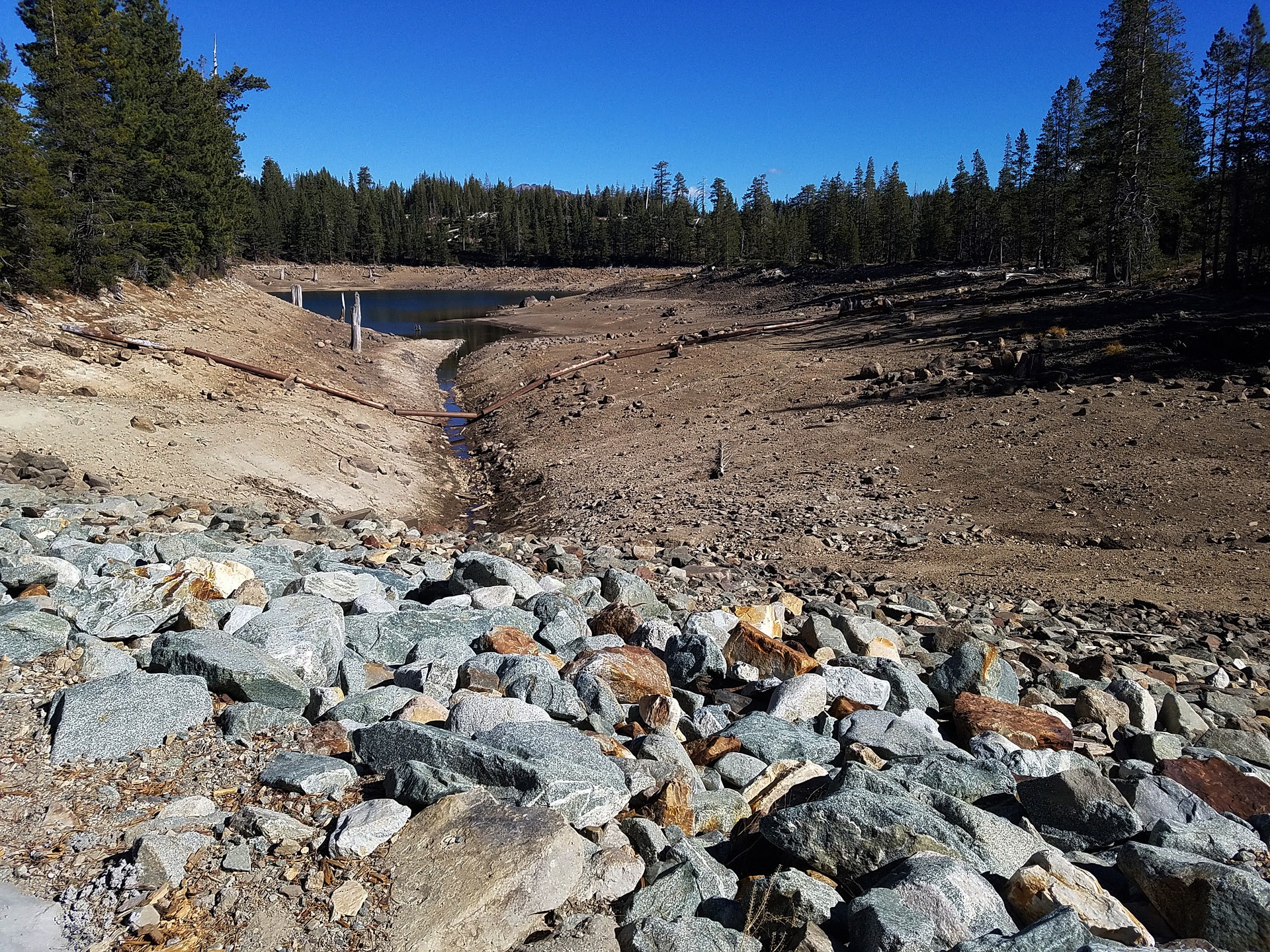
For forests there will be changes in ecosystem structure and phenology everywhere with the shifts particularly strong in the Mediterranean region and mountain regions. For some ecosystems a temperature increases above 1.5OC will trigger a tipping point and there will be an irreversible loss of ecosystem services. There is already a clear economic impact in climate-exposed sectors with regional effects in forestry. There is also evidence of increasing losses due to the compound effects of heat and dry conditions and extreme weather.
The report suggests there is clear progress in adaptation planning and implementation with consequent generation of multiple benefits. For forestry this requires development of sustainable forest management, diversifying and adjusting tree species composition to build resilience, and managing increased risk from pests, diseases and various abiotic hazards. However, adaptation progress is unevenly distributed with many initiatives prioritizing immediate and near-term climate reduction risk that reduces the opportunity for long term transformational adaptation. There is also increased evidence of maladaptation in some sectors and regions that locks-in vulnerability, exposure and risks that will be difficult and expensive to change in the future.
The report indicates that climate change impacts are becoming increasingly complex and difficult to manage. Multiple climate hazards will occur simultaneously and there will be multiple and complex interactions with resulting risk cascading across sectors and regions. There is increasing need for worldwide climate resilient development action and this development requires international cooperation by governments working with communities, civil society, educational bodies, scientific institutions, media, and the business world. It is also clear that safeguarding biodiversity and ecosystems is fundamental to climate resilient development. This highlights the key role of forestry in aiding our adaptation to climate change and the crucial need to develop resilient forest systems that can continue to provide ecosystem services even with an increasing level of risk from biotic and abiotic hazards.
Barry Gardiner (IEFC)