Introduction of the low carbon label in Nouvelle-Aquitaine (France)
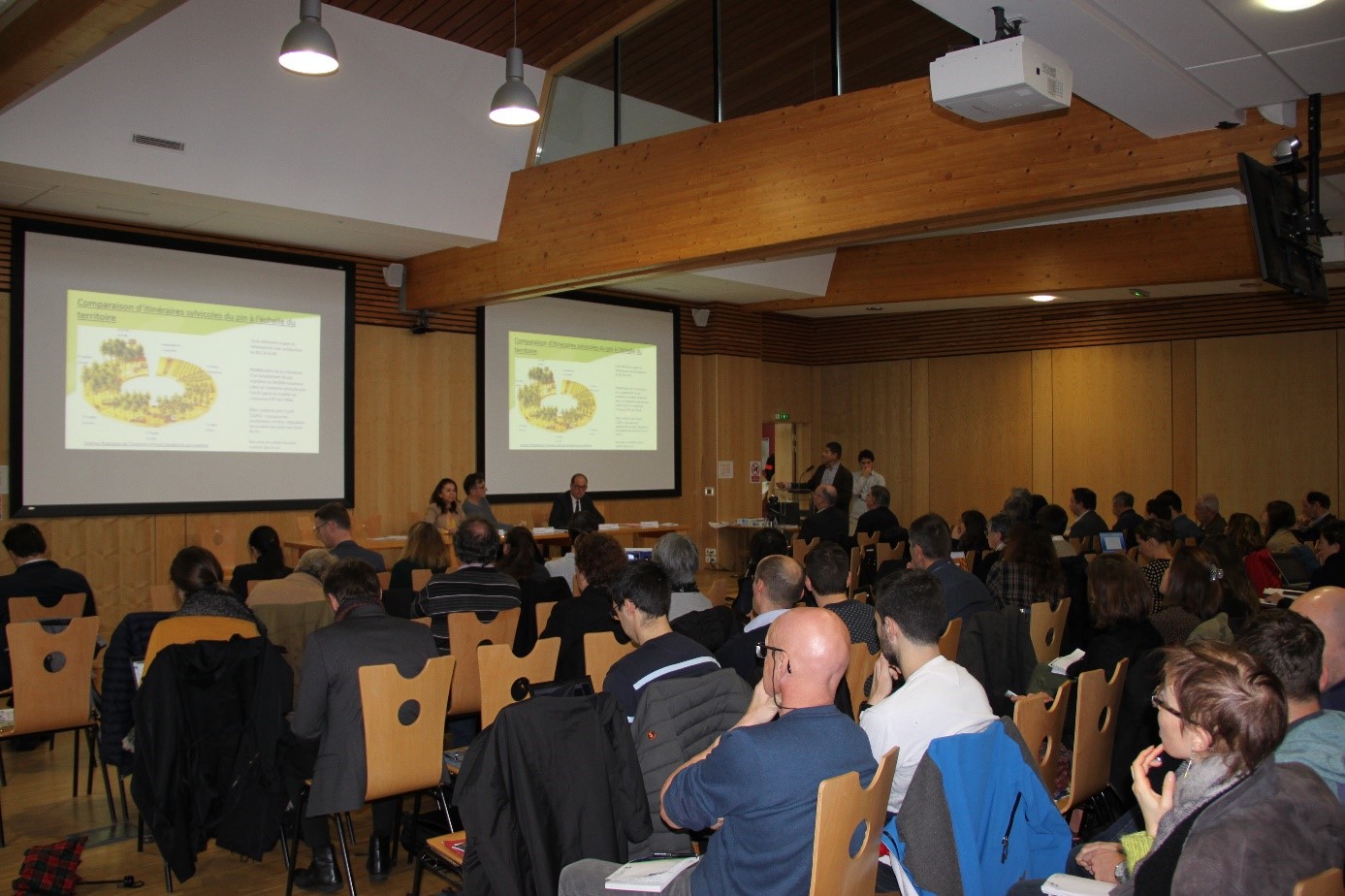
The CRPF Nouvelle-Aquitaine presented simulation results aimed at estimating the implementation effects of the low carbon label in the region during a seminar organized by Sysdau at INRA (Bordeaux, France) on the 27th of February 2020. The aim of the seminar was to disseminate the potential of the label to local authorities, forest sector stakeholders and companies wishing to optimize their carbon footprint. The low carbon label was created by the Ministry of Ecological and Solidarity Transition in order to achieve the carbon neutrality objective set by the French government to be achieved by 2050. The study highlighted the potential for improving CO2 sequestration by concentrating efforts on hardwood stands through coppice thinning or the reconstitution of currently degraded stands. Subsidies will be provided as part of these forestry operations as well as for reforestation. Actions aiming at increasing CO2 sequestration by maritime pine stands are limited in their effects. Shortening the rotation time would increase substitution effects but would degrade the stand storage capacities, while lengthening the rotation time would have the opposite effects. As the choice of silvicultural approach is mostly left to private forest owners in the region, their management choices, and especially the choice of an average rotation of about 40 years, provides a good optimization between a high carbon balance and limiting the risk of storm damage as the trees grow taller.
Author: Armand Clopeau (IEFC)